


 The proposition
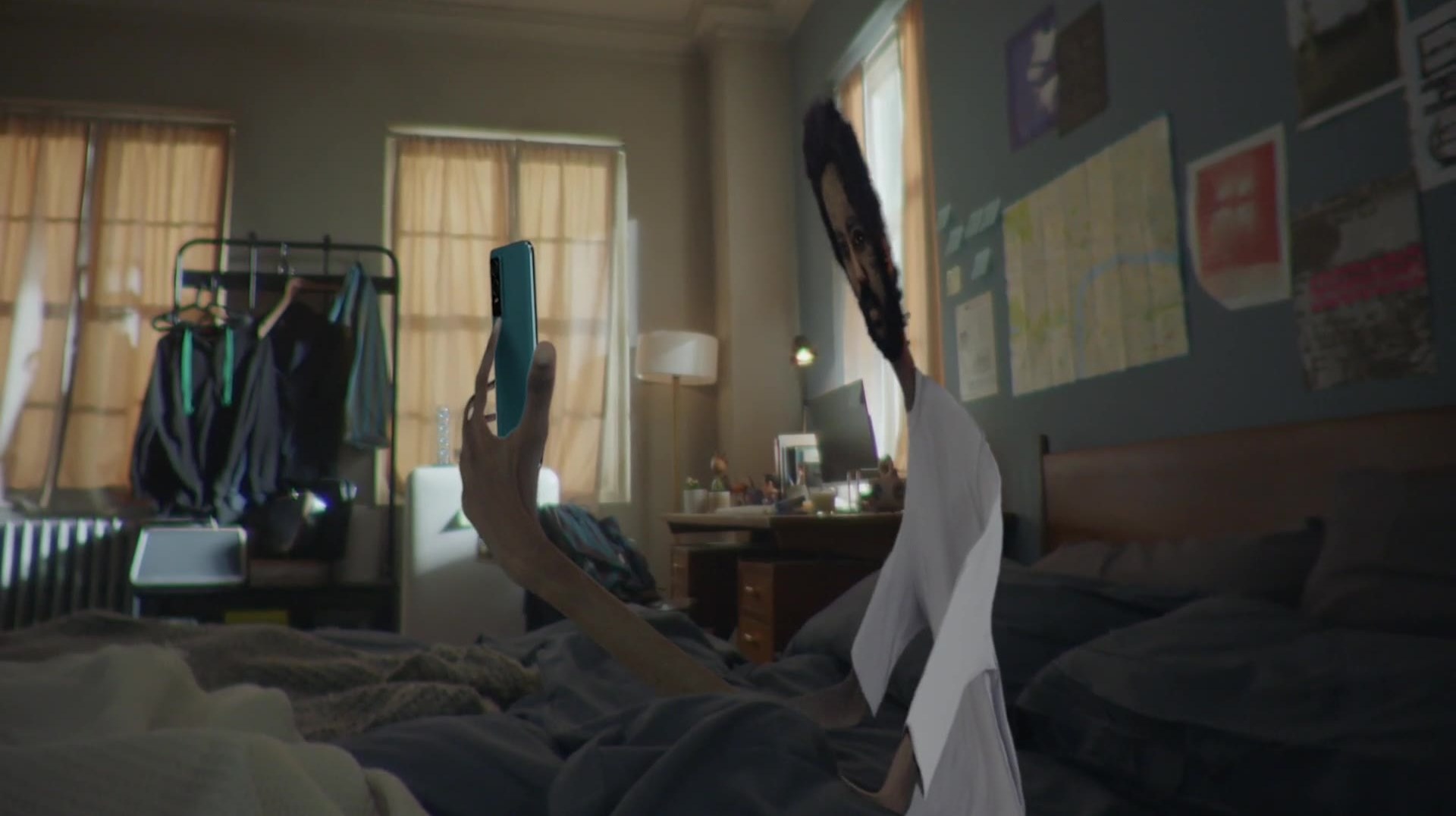
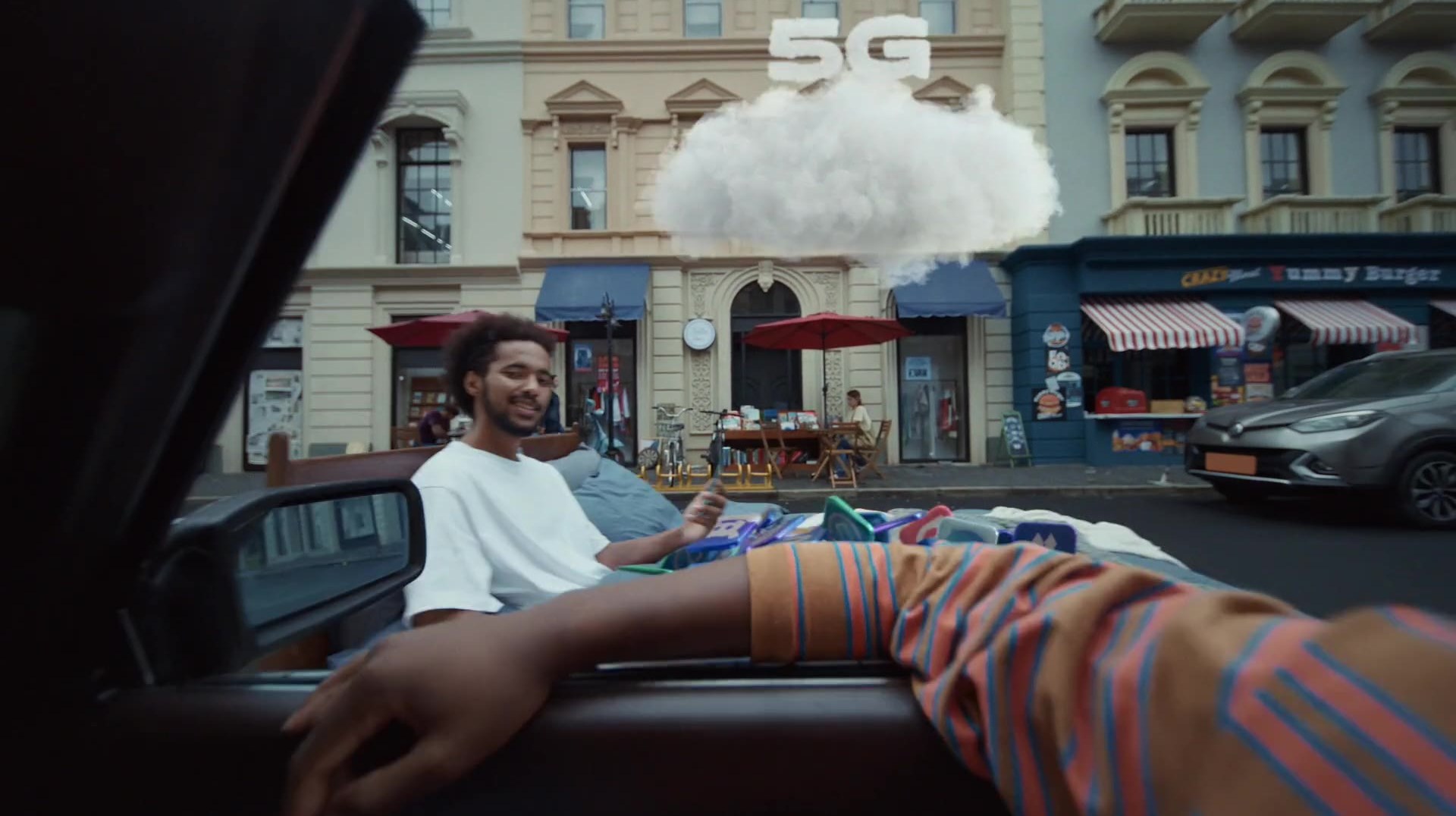
Most technology films describe a network. Vivo needed one made visible. The proposition was that 5G is not a number on a specification sheet. It is the collapse of distance. A bedroom that drifts into a city street. A phone that pulls the day toward you. A world that answers faster than you expect. The film makes that whole argument in one impossible image.
The idea creates its own technical problem. A bedroom is easy to shoot. So is a street. Put them in the same frame and every mismatch becomes the subject: window light against open sky, the scale of a bed against a façade, graphics that must feel emitted by the scene rather than stuck to the glass. If the join shows, the network turns back into a slogan.
The work was integration at every level. Interior photography and the extended city were matched in perspective, light direction, and atmospheric depth until the bed could plausibly have arrived there on its own. The 5G signal was built and lit as an object in the street, with reflections and occlusion, not as a title. The final close-up returns the scale to a person, so the idea lands as a feeling rather than a diagram.
Across every review with the brand, one test held: does this still feel casual? An effect that admired its own cleverness was rejected, however hard it had been to make. A network, done well, should feel like air.