
 The story
Jackie Chan’s films have always made room for the impossible: a fight that turns into a dance, a legend that wanders into a kitchen. The Knight of Shadows carries that instinct into the supernatural. A demon hunter, a village of ordinary people, and creatures that should not fit through the door. The charm of the picture lives in the moment those two worlds touch.
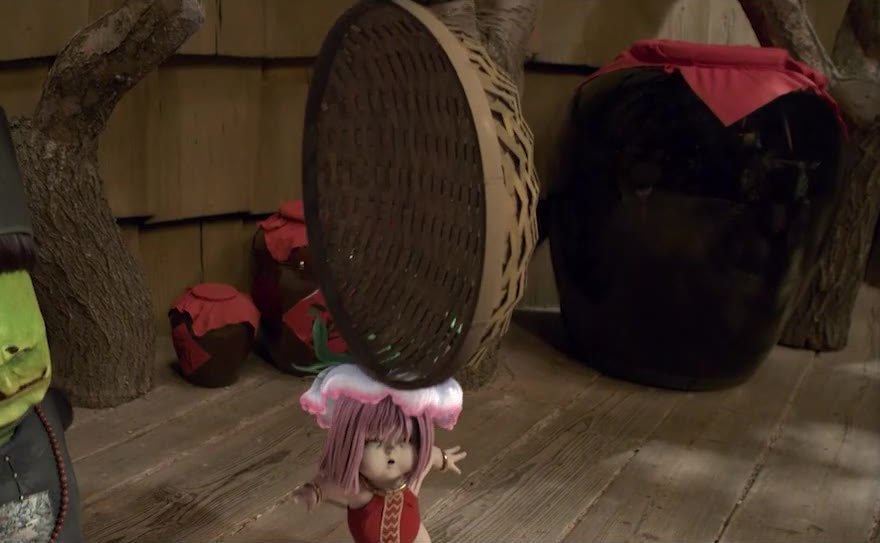
That moment is technically unforgiving. A painted fantasy world can be tuned until it agrees with itself. A real room cannot. It has its own lamp, its own dust, its own grain in the wood, and anything digital that enters it has to borrow all of it. Too much glow and the creature becomes an effect. Too little and the legend dissolves into the furniture. Comedy is stricter still. A joke dies the instant the audience stops believing.
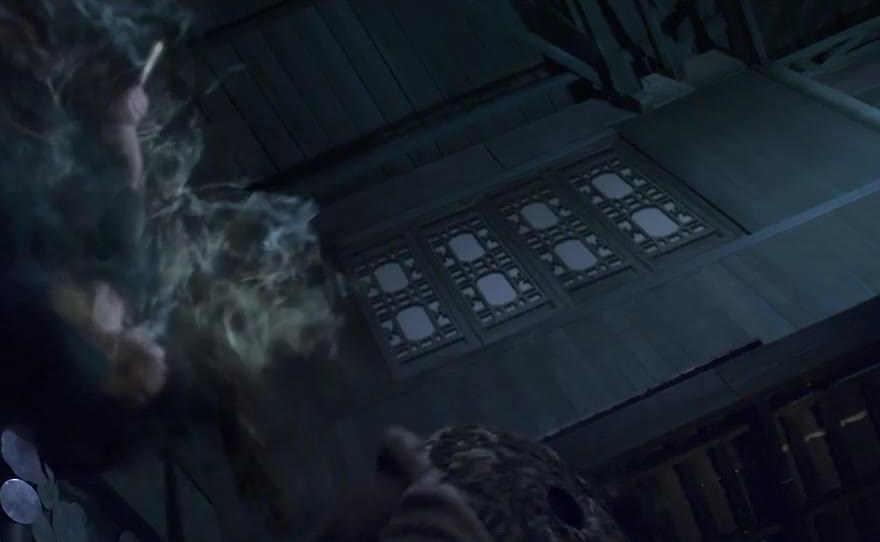
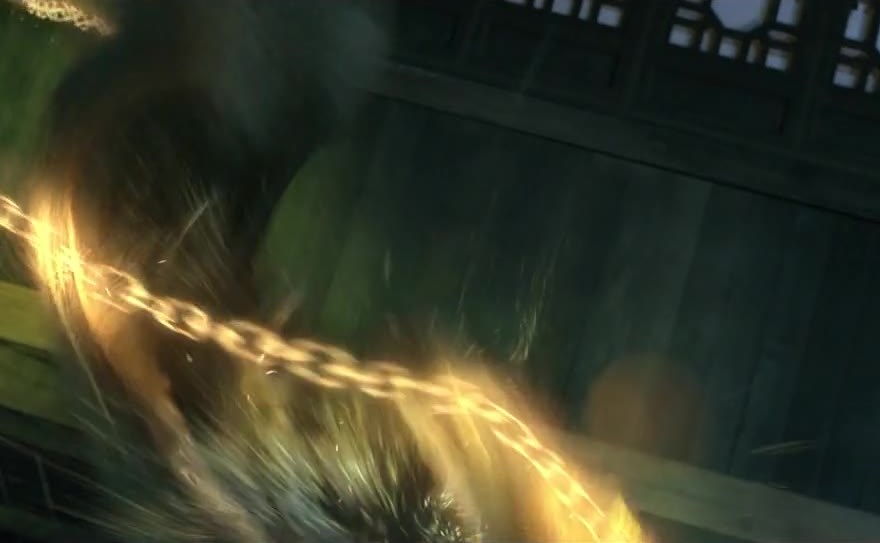
The rule on this show was that practical light is the law. Characters were lit from the set’s own sources, given contact shadows on the floorboards, and allowed to let the smoke wrap around them rather than sit on top. Chains of light and spellwork were treated as physical things that throw colour onto walls and faces. Where the plate could carry a moment, it was left untouched. Where the story needed something no camera could film, CG took over and compositing erased the seam.
Working with the production meant protecting timing as carefully as the image. An effect cannot arrive a frame late to a gag. Shots were judged against the cut rather than in isolation, so every creature landed on the beat the performance had already set. A demon is only funny when the room believes in it.