
 The idea
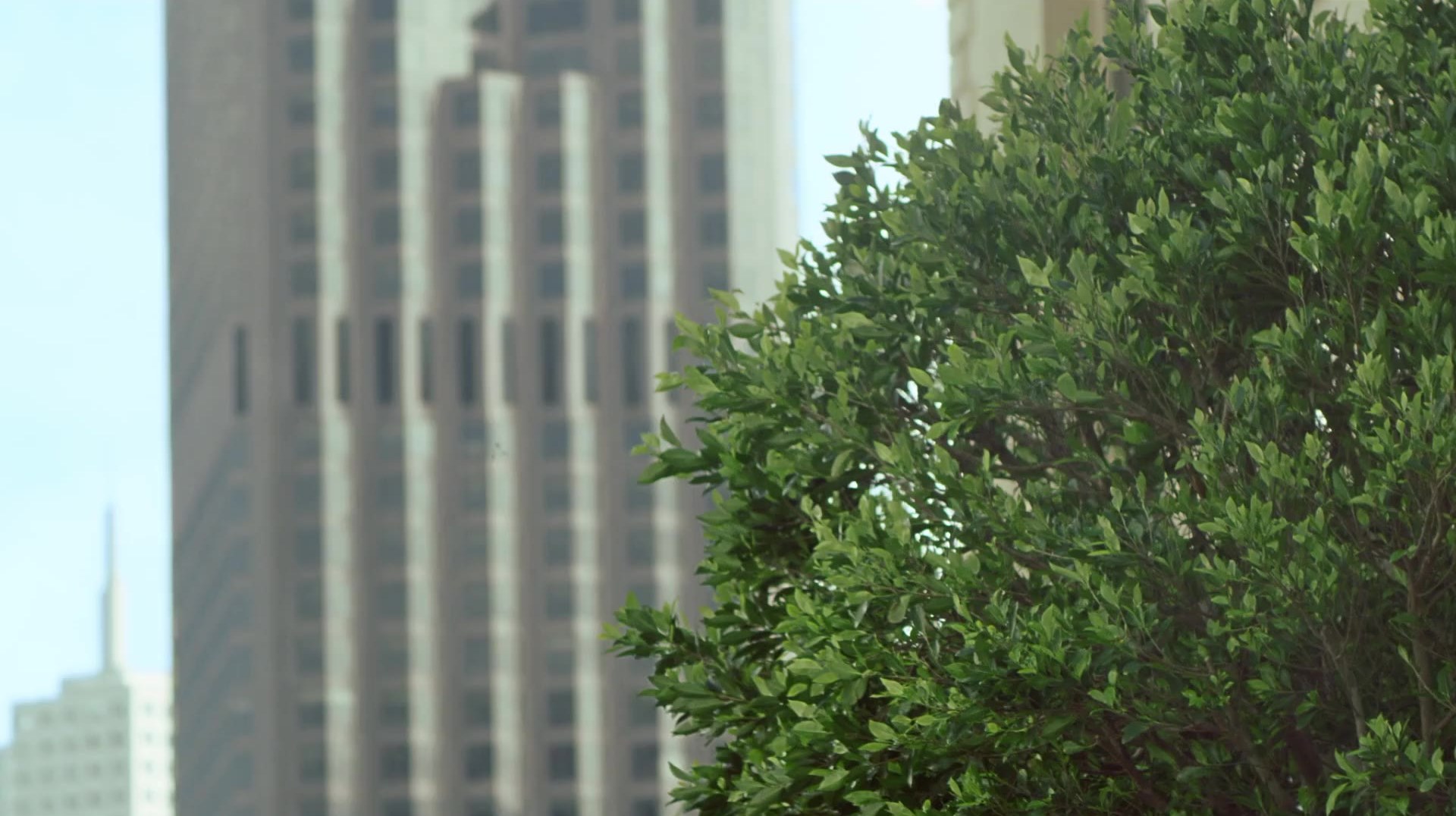
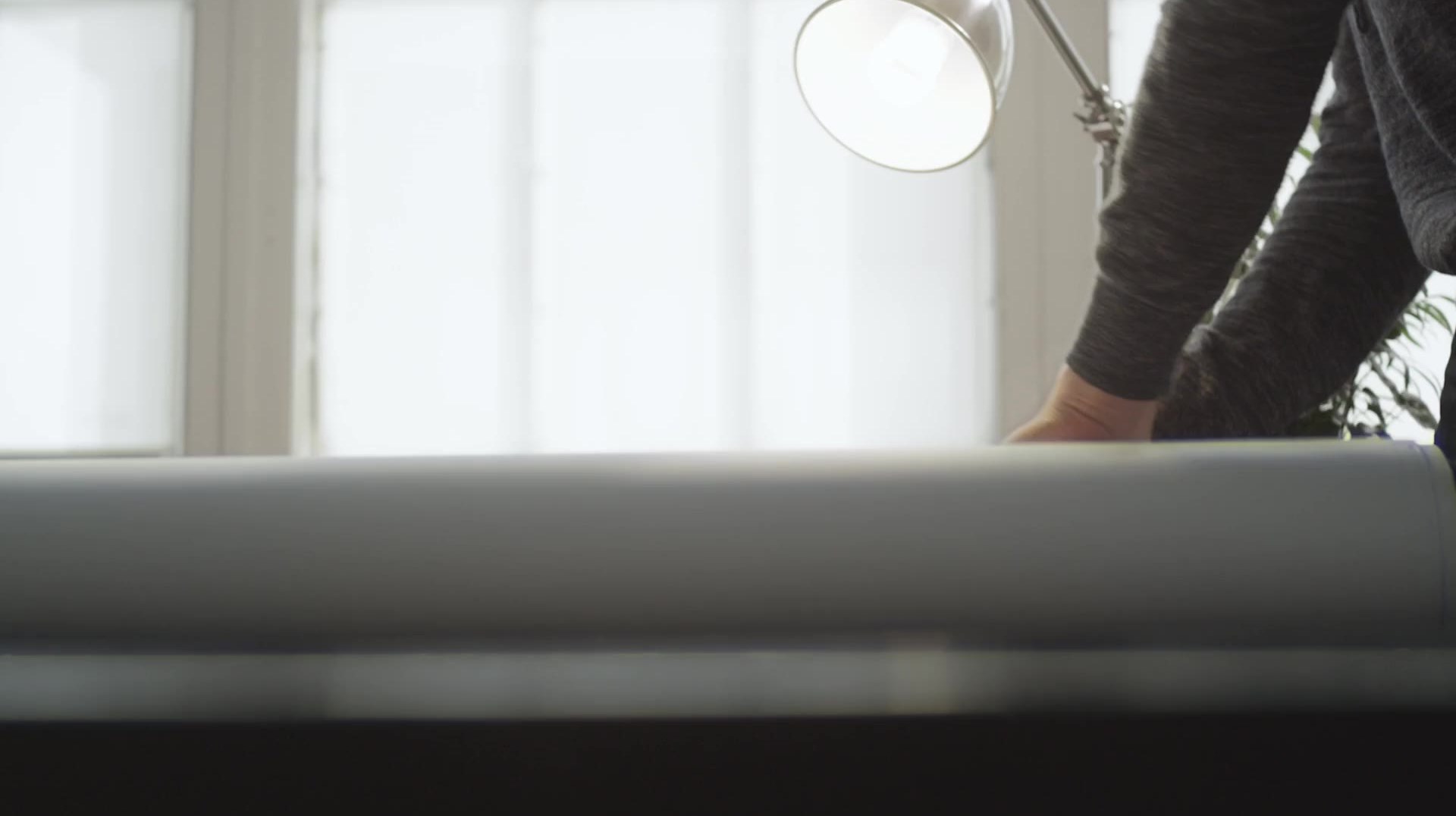
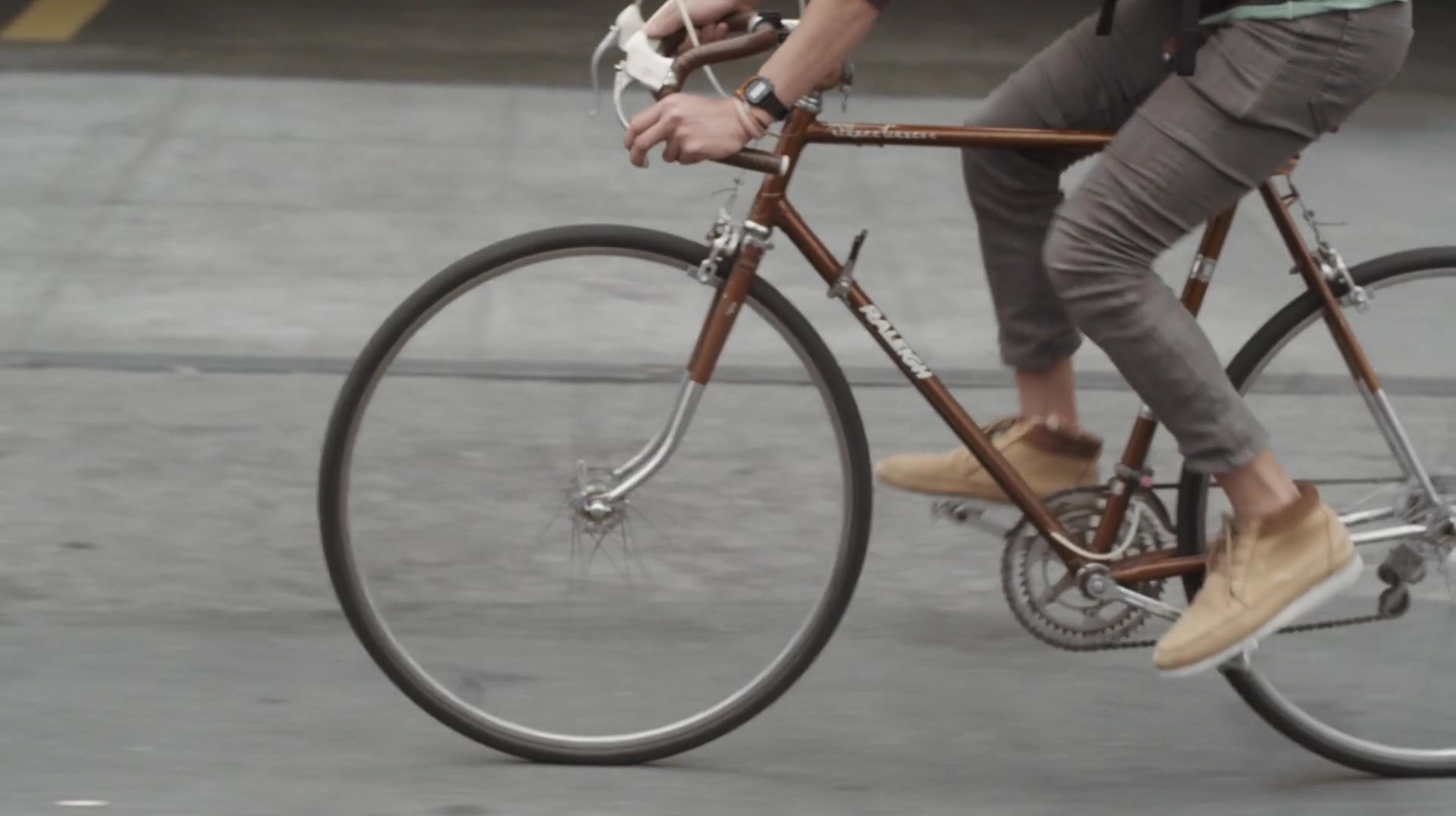
Autodesk’s quiet argument is that design begins long before software. It begins with attention: to a street, to a material, to the way a body leans into a turn. The film takes that argument literally. It never shows a feature. It follows a way of seeing, from the city, to a hand on paper, to someone moving through the world the drawing came from.
Films about tools fail in two familiar ways. They explain, and the audience stops looking. Or they polish, and observation turns into advertising. Either way the idea that matters most, that design is a form of paying attention, is lost.
This one was built by subtraction. City, line, and motion share one light, so the sketch never feels like an insert from another movie. Nothing on screen names a function. Any shot that explained itself was shortened or cut. The edit lets sequence do the teaching: the world, then the line, then the motion.
Autodesk reviewed the picture the way a designer reviews a drawing, by asking what could still be taken away. That question became the method. The film is finished when a viewer feels the idea without being told it.