
 The picture
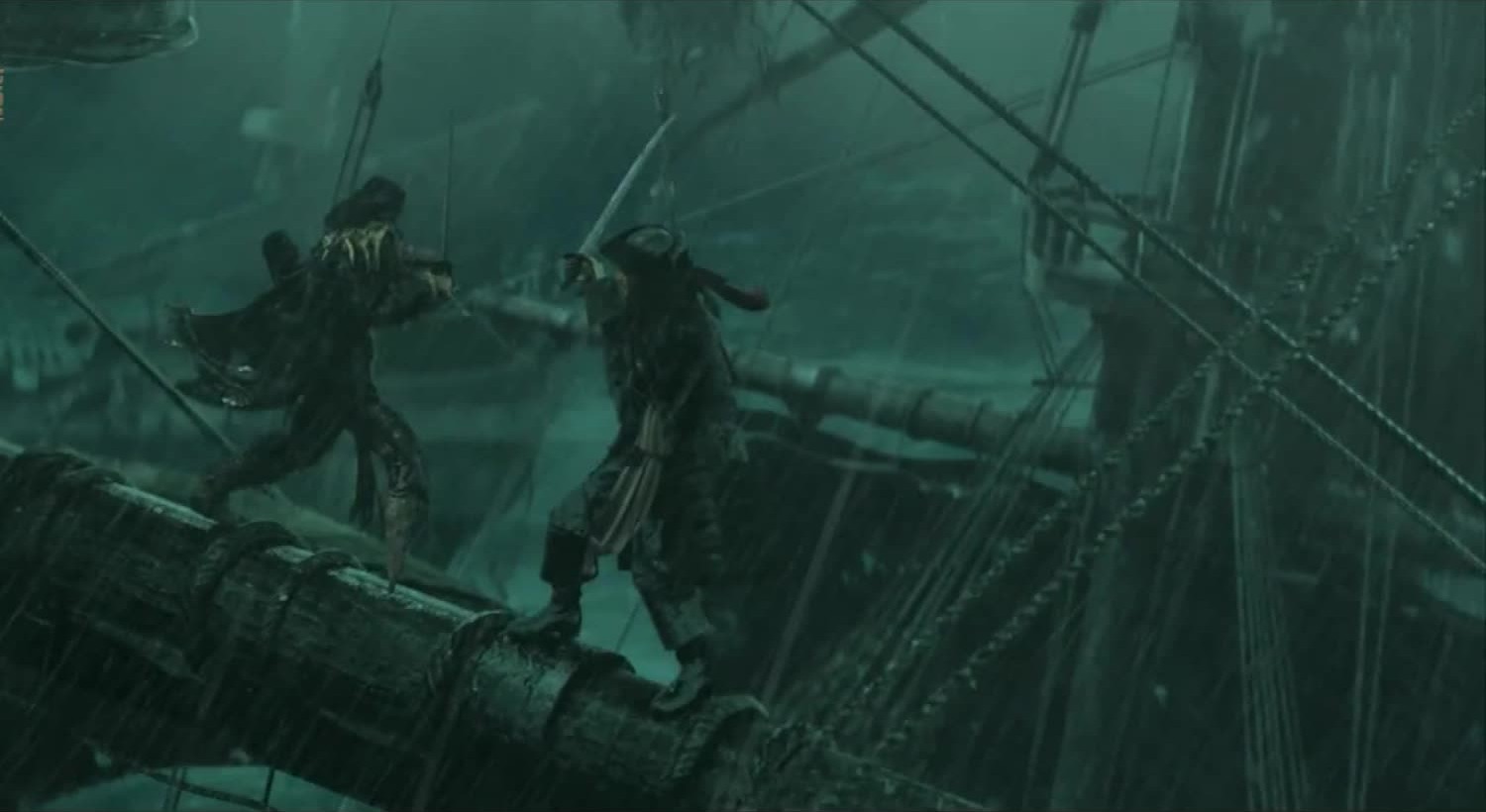
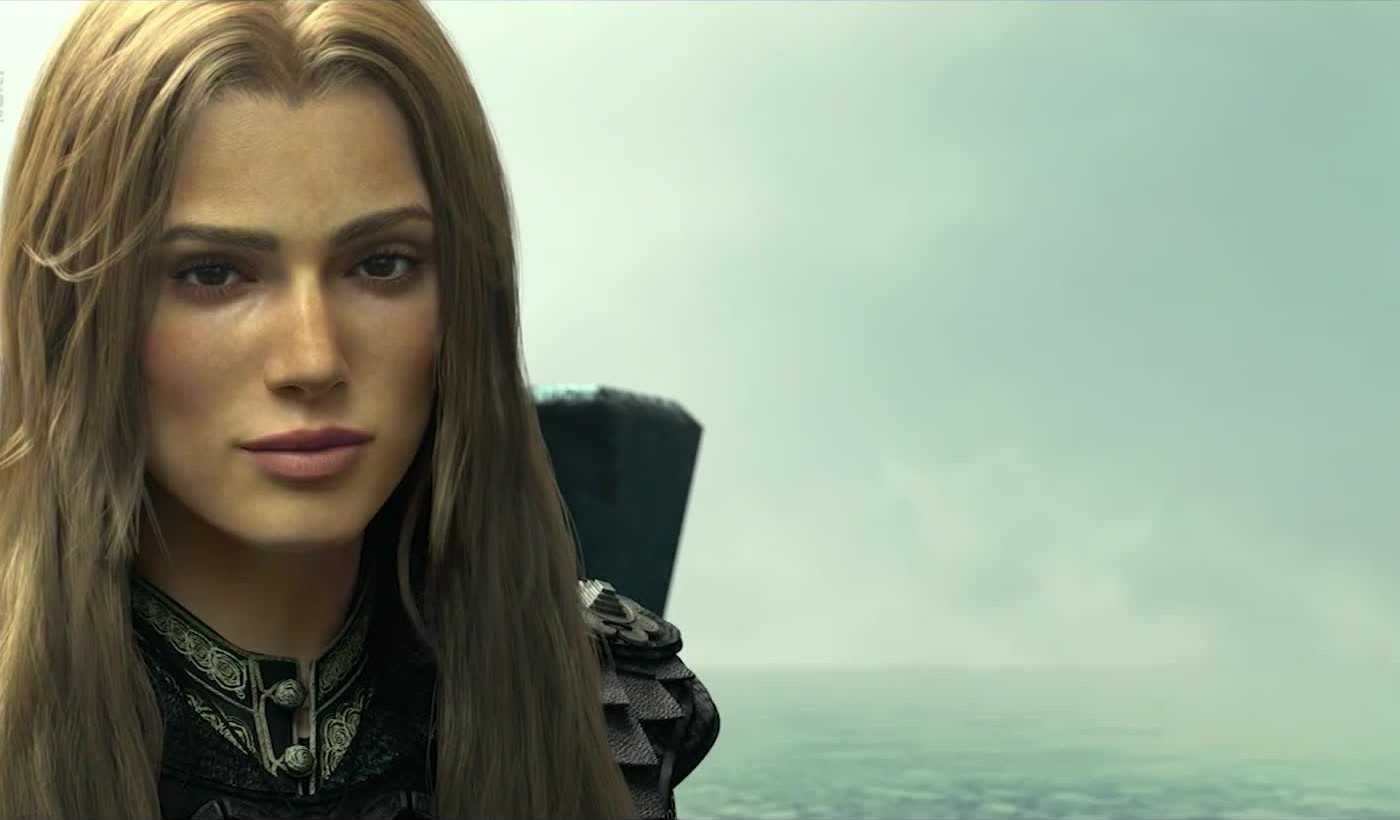
Rain is the oldest trick in cinema and the hardest to fake. On a picture like Pirates of the Caribbean it is also a character. It decides how the ship moves, how a face catches the light, and how much of the world the audience is allowed to see. The brief for this reel was to put computer-generated figures inside that storm, not in front of it.
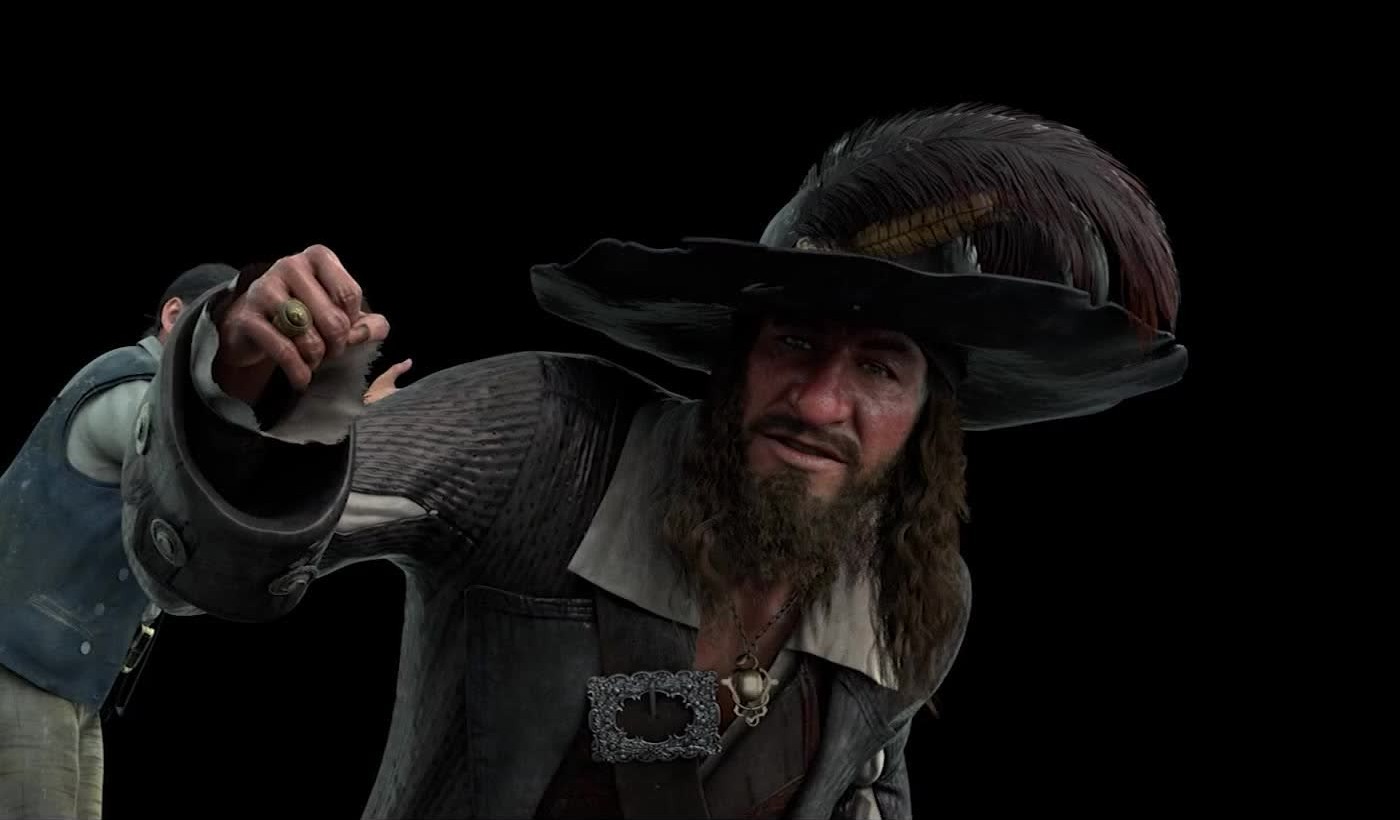
Rain is cruel to a composite. Every drop crosses an edge, and edges are where a key fails: loose hair, wet cloth, rope, the brim of a hat. Clean the matte and the figure looks dry. Leave it and the plate tears. The water has to run off the character, scatter the light behind them, and fall at the depth of the lens, all in the same frame.
So the storm was built before the figures. Rain was simulated in layers of depth and density, matched to the camera’s shutter and to the direction of the falling light. Keys were pulled element by element, then rebuilt wherever the weather crossed them, so the drops broke the outline the way they would have on set. Lighting carried a single overcast across skin, leather, and steel, and the grade pressed foreground, sea, and sky into one exposure.
Reviews with the production ran at full resolution, in motion, with the sound of the scene in the room. Stills forgive too much. The only test that counted was whether the storm still felt photographed at twenty-four frames a second. When it did, the method disappeared, which was the point.